Athletics Bulletin
Spring 2026
When a magnitude 7.0 earthquake struck Haiti in 2010, it claimed a staggering 280,000 souls, injured even more and created a homelessness disaster. Some 1.5 million people, about 10% of the country’s population, instantly found themselves on the rubble- strewn streets of their decimated towns and villages. The suffering of loss of life, displacement and societal collapse was immense.
Liz Blake ’69, then general counsel and senior vice president of advocacy and government affairs for Habitat for Humanity International, knew she could help alleviate this suffering.
But rehousing displaced Haitians would require overcoming a major obstacle: Most land ownership in the country was undocumented, which impeded rebuilding efforts. Blake organized volunteers from the international community and Haiti’s public, private and nongovernmental organization sectors, plus donors and lawyers, to document the formal system for buying, selling and recording land rights, and produced four accompanying books to train professionals and the public on how to secure their rights to land.
“We were able to document tens of thousands of properties, which allowed for land to be made available for building transitional and permanent shelters,” says Blake, who has visited Haiti 73 times to help enshrine land rights. “The privilege of being a lawyer is being able to use legal tools to solve social and civic problems. I feel blessed if I can do something to help.”
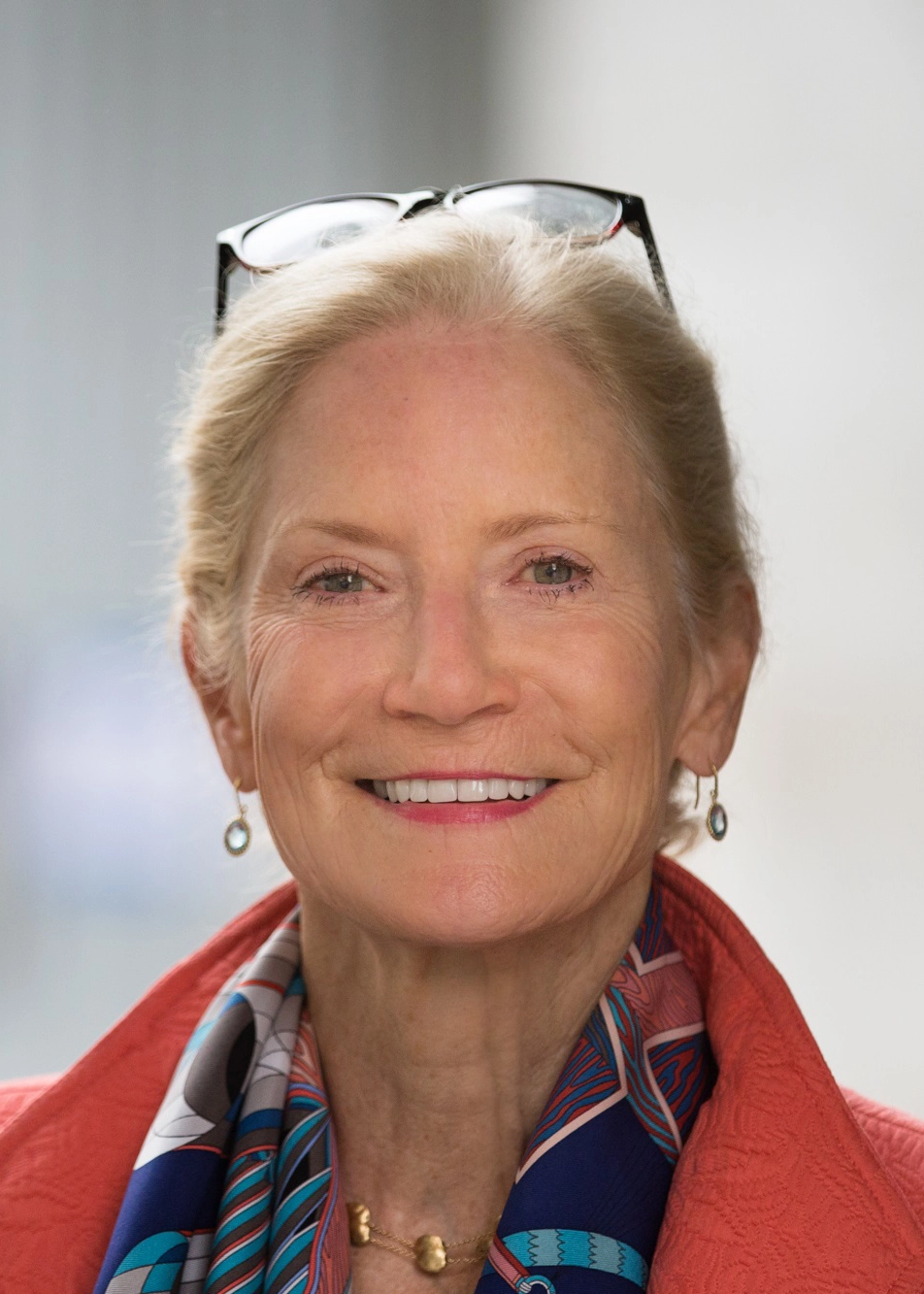
For her social justice work in Haiti and around the world, Miss Porter’s School has bestowed Blake with the 2026 Evan Burger Donaldson ’51 Achievement Award. Established in 1998 by William H. Donaldson to honor his wife, an Ancient who was a prolific community volunteer, the biannual award recognizes alumnae whose professional or voluntary service to others has been exemplary.
Growing up in Westchester County, New York, Blake was raised by parents who she says were active community volunteers and expected the same of their five children. As a boarding student at Miss Porter’s School in her junior and senior years, she says she developed the maturity and self-assuredness to become an engaged student and leader. She has fond memories of her role as Glee Club president, and of hangouts with friends who also lived in the Colony and Lathrop residences.
“Being in an all-girls’ environment allowed me to be much more focused on my studies. I also had wonderful experiences at Farmington that shaped my life,” says the 74-year-old, who lives in Atlanta, Georgia.
After Porter’s, Blake earned a Bachelor of Arts at Smith College in Massachusetts and then a law degree at Columbia Law School in New York. She began her career as a corporate lawyer at private practices, first on Wall Street and then at a firm in Cincinnati. She later led the legal units of GE Power Systems, US Airways and other major companies before joining Habitat for Humanity International in 2006.
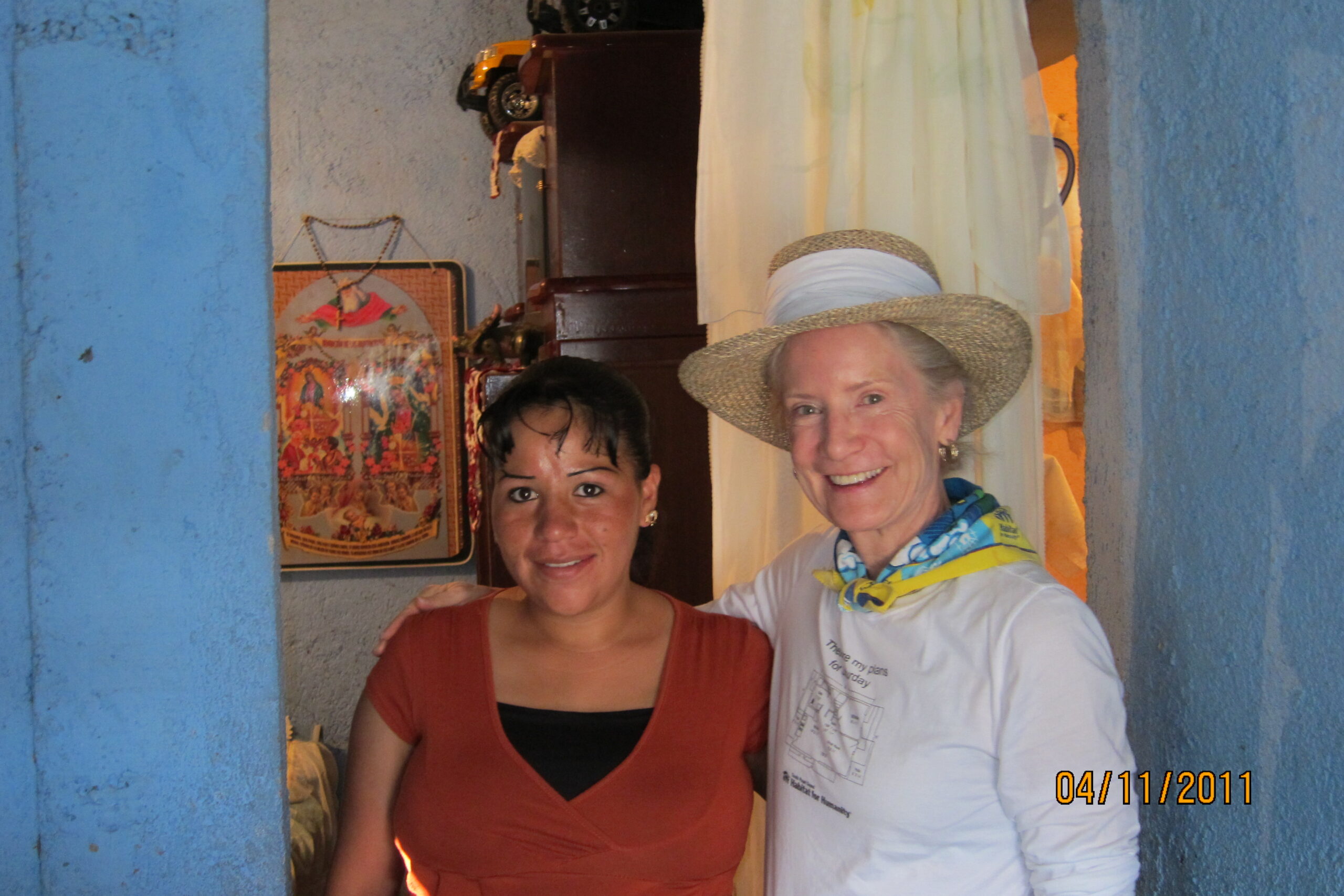
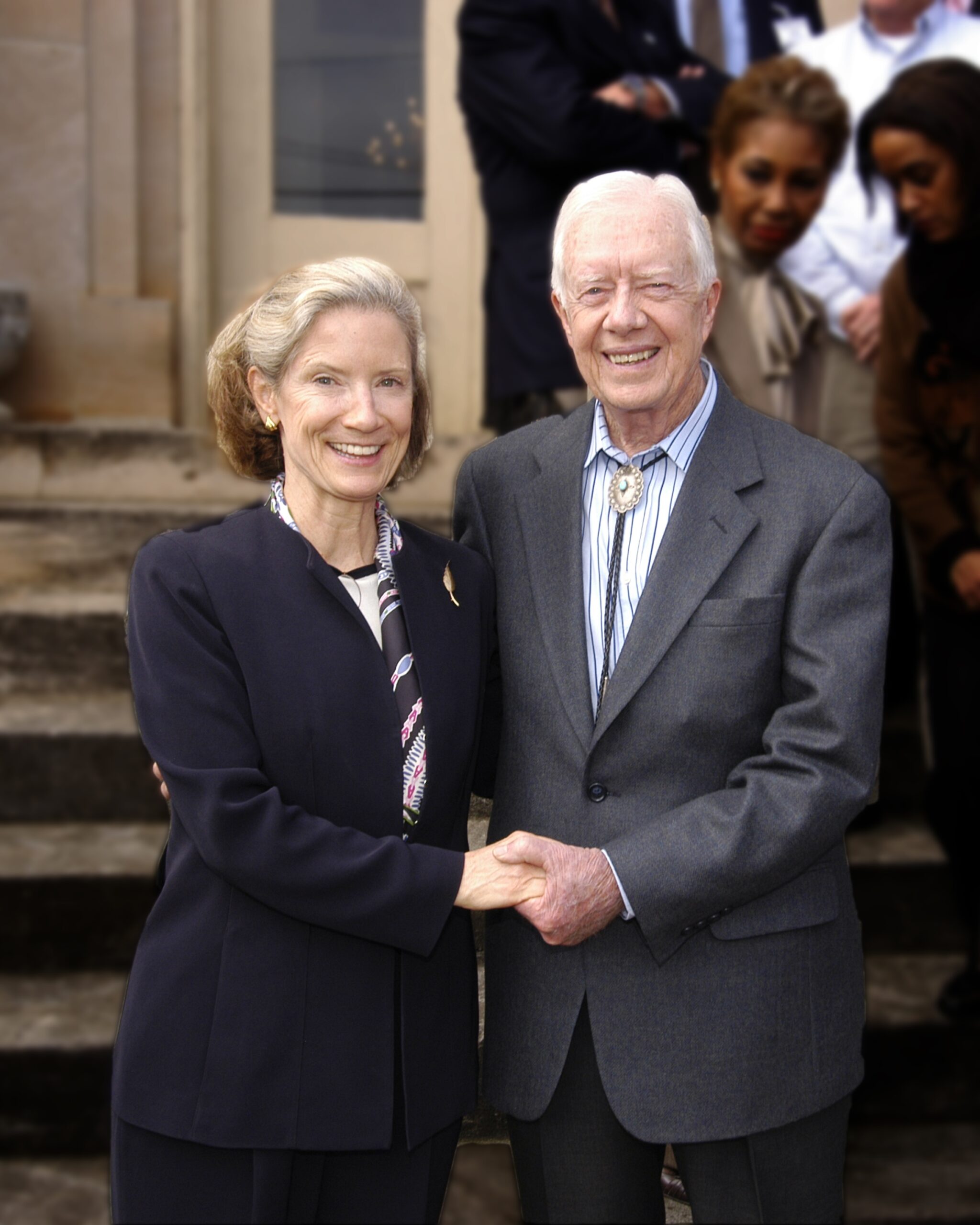
During her almost nine years at the global nonprofit, Blake advanced housing equity in multiple countries in sub-Saharan Africa and Central and South America.
In Bolivia, she helped change the law to allow women to be listed on property titles, affording them the right of home ownership. Her work in Mexico sparked a government social program to replace dirt floors with cement in the homes of poor families, which reduced instances of children contracting Chagas disease. In Ghana and Kenya, Blake engaged with tribal leaders to promote women’s right to inherit land.
“If you own a piece of land, you can use that as a resource to borrow money to then get yourself out of poverty,” says Blake, who also oversaw Habitat’s Washington office.
Blake’s community service track record has extended to volunteering on boards of directors of health, educational and cultural organizations in Ohio and Atlanta, including serving as the first woman chair of the Ohio Board of Regents and chairing the Board of Councilors of The Carter Center. She has also served terms on the Alumnae Board of Directors and the Board of Trustees at Porter’s.
Since retiring in 2014, Blake and her husband, Frank, have supported a broad range of good causes. Via the Liz Blake Giving Fund, Blake has accompanied economically disadvantaged women and children as they work to better their lives. The fund partners with local nonprofits to support initiatives focused on quality child care, financial self-sufficiency for caregivers and mental well-being.
“I feel strongly about trying to break cycles of intergenerational poverty. I think empowering people to build resilience and strength in their lives can bring about lasting change.”