


By: Nelle Andrews
Dean of Curriculum & Instruction
For educators, summer is always an important time for rest and rejuvenation; however, it is also a wonderful time to engage with different types of learning opportunities. I was fortunate this summer to be able to serve as a co-presenter for several sessions at the International Coalition of Girls Schools Annual Conference in Philadelphia in late June. It was inspiring to connect with educators from around the globe and I greatly appreciated the chance to learn from other wonderful speakers, schools, and organizations. Many of the presentations focused on ways to enhance student agency, and I found them particularly relevant in relation to the work we have been doing at Porter’s in recent years.

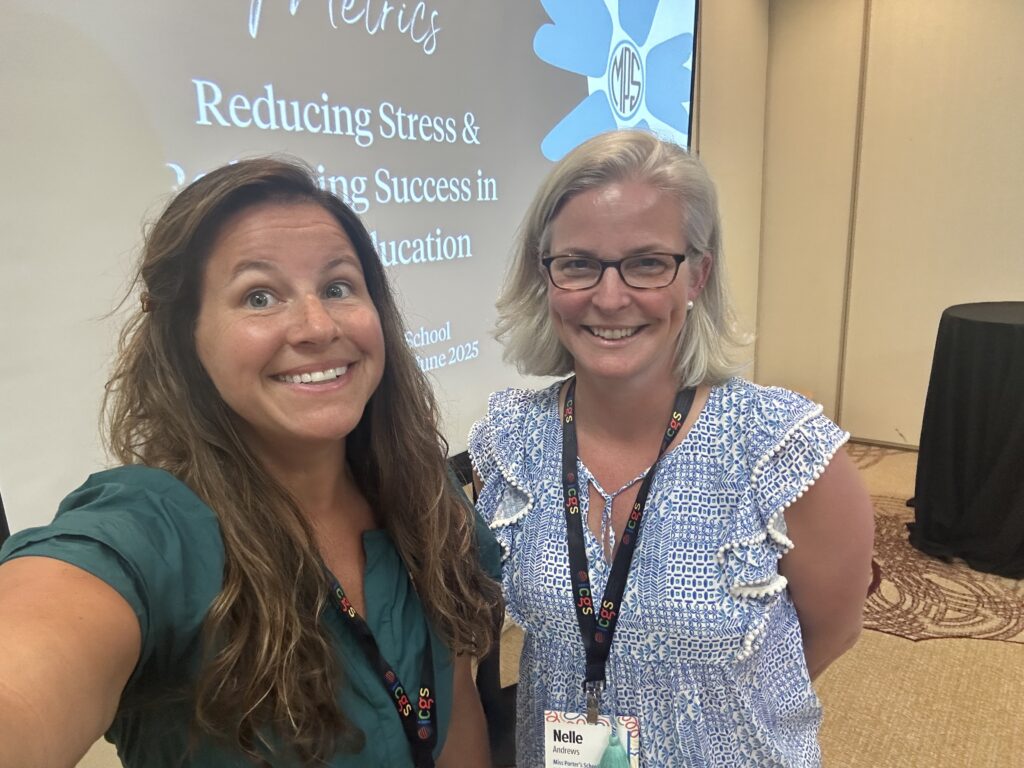
These glimpses of philosophical alignment were balanced with moments of surprise, however. As I spoke with other attendees and heard their questions during our presentations, I was struck by the fact that so many other schools (especially in other countries) place tremendous emphasis on traditional grades and testing as primary identifiers of student success, despite reports from ICGS’ own research library that highlight the damaging effects this can have on the mental health of students. Even when educators and school leaders want to make the types of changes they know would better serve their students, their broader institutional fears about ensuring college admission, pleasing parents, and ultimately maintaining their business model, often prevent them from taking significant steps forward. These are very real fears and we have discussed them at length at our own school too. But changes don’t have to be dramatic to have impact. Small shifts to assessment practices, instructional strategies, or course designs, for example, can influence larger shifts to school culture, programming, and practices over time.
Even more significantly, shifts that put students at the center of their learning experiences only add value. In a world with increasingly complex tensions and challenges, we need our graduates to leave our institutions with the ability to think deeply, problem solve creatively, listen thoughtfully, and use their voices to improve the world around them. Our students must learn to value growth over perfection, curiosity over compliance, and authenticity over expediency. If our students focus solely on how well they can perform on tests and how high and perfect their grades are, they will miss opportunities to develop these vital skills.
As we begin this next school year, I am excited to keep pushing our students to care more about who they are as learners, to reflect on what and how they can contribute to their communities, local and global, and to think deeply about how they can lean in to the opportunities they have to grow during their time here.
Since Miss Porter’s first joined the Mastery Transcript Consortium back in 2017, we have been developing ways for students to be more fully in charge of their learning experiences. Students have contributed to several of the shifts we have made in recent years, and their feedback has helped us to refine much of our programming and approach to teaching and learning. Our next steps will push students to take even greater ownership of their learning. This year, all students will engage in student-led reflective conferences with their advisors, which will be scheduled in February and May. In addition, students will create competency-based portfolio websites and develop Mastery Learning Records (required for 9s and 10s, optional for 11th and 12th graders for this year). With all of these ways to gather and reflect on evidence of learning and growth, our students will develop greater confidence, vision, and skill overall, and they will graduate from Porter’s ready to take on any challenge that greets them.